
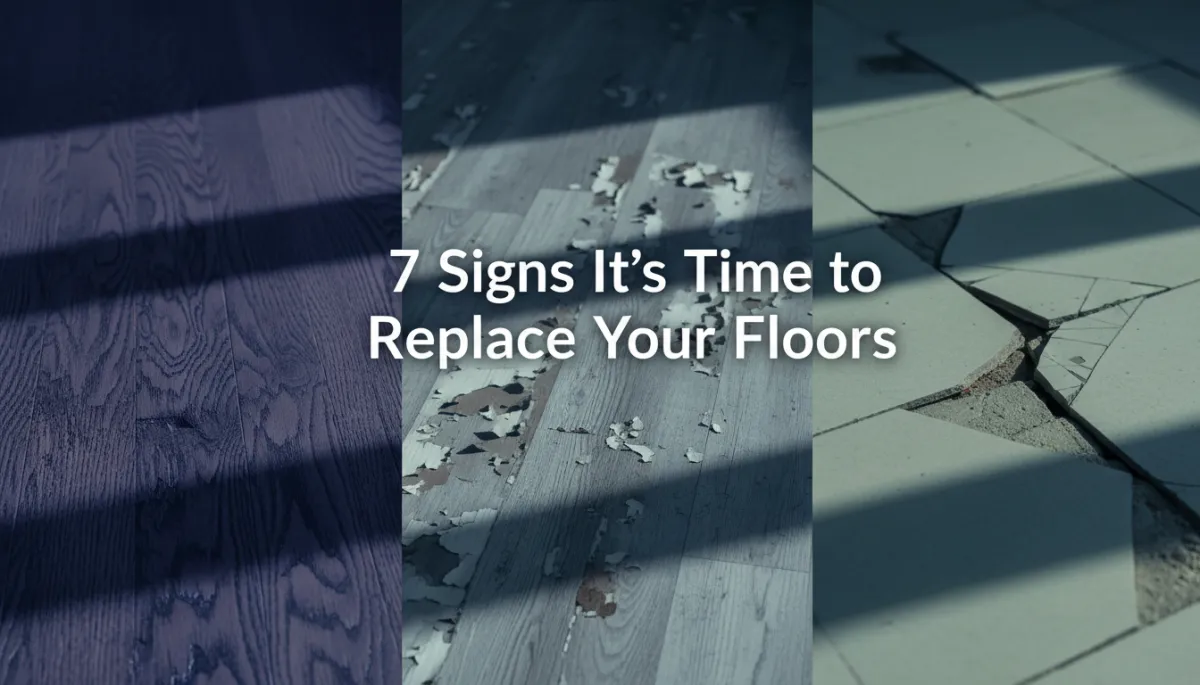
7 Signs to Replace Your Floors: Repair vs. Replace
Home Improvement, Flooring, Interior Design
7 Signs It’s Time to Replace Your Floors: Repair vs. Replacement
Your floors work hard every single day, and at some point, even the best materials start to show their age. Knowing when to patch things up and when to start fresh can save you money, stress, and a lot of dust. In this guide to 7 Signs It’s Time to Replace Your Floors: Repair vs. Replacement, we’ll walk through the clues your home is giving you—so you can make a confident, budget‑friendly decision.
1. Deep, Widespread Damage That Keeps Coming Back
A scratch here or a cracked tile there is usually a simple repair. But when you’re dealing with deep gouges, long cracks, or chunks missing across large areas, repairs can start to feel like a never‑ending game of whack‑a‑mole. At that point, replacement is often more cost‑effective than constantly chasing new problem spots with filler, stain, or spare tiles.
💡 Friendly Tip: If you can stand in the middle of the room and spot damage in almost every direction, it’s a strong sign that replacement will give you better long‑term value than repeated repairs.
2. Persistent Water Damage, Warping, or Buckling
Spills happen, but standing water, leaks, and floods are a different story. If your hardwood is cupping, your laminate is swelling at the seams, or your tile grout is crumbling from moisture, the issue may run deeper than the surface. Once water gets into the subfloor, repairs become band‑aids instead of real solutions, and a full replacement—sometimes including the subfloor—is the safest route.
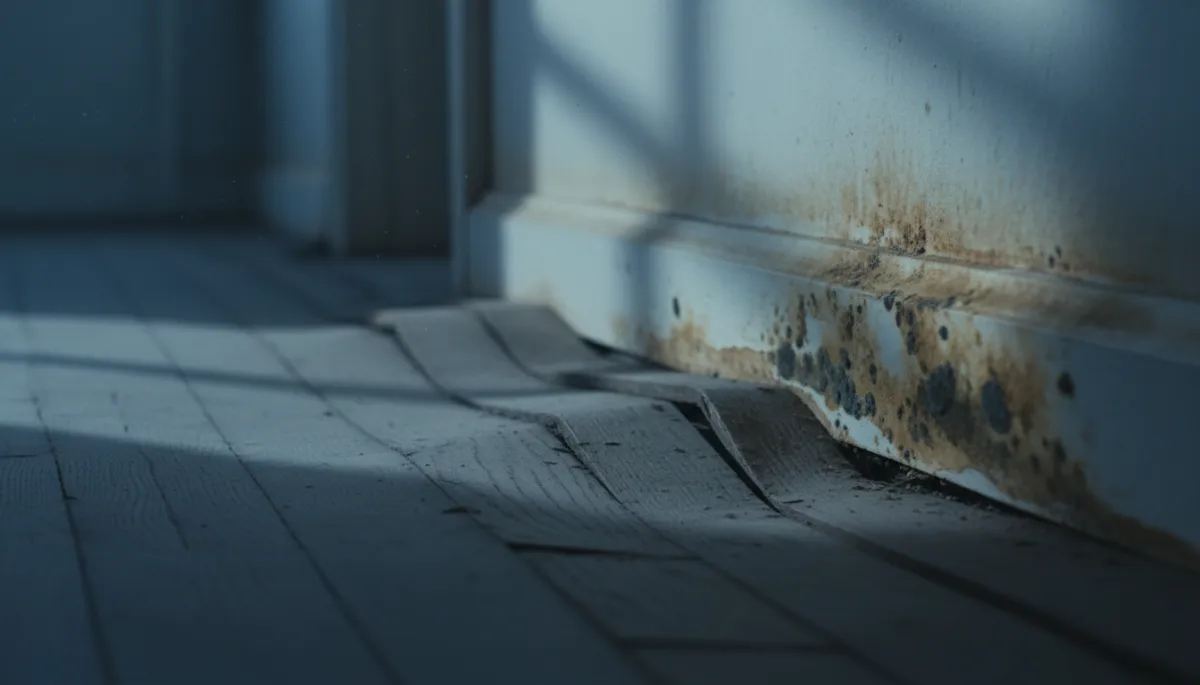
Long-term moisture damage usually calls for full floor and subfloor replacement.
3. Soft Spots, Sagging, or Movement Underfoot
Floors should feel solid and secure. If you notice spongy areas, sagging sections, or boards that bounce when you walk, it may signal trouble with the structure below. While a loose board or two can be repaired, widespread softness is a safety concern. In these cases, replacing the flooring (and addressing any subfloor issues) is the smarter, safer choice for your household.
4. Stubborn Stains and Odors That Won’t Go Away
Pets, spills, and daily life can leave their mark. When dark stains, lingering pet odors, or discoloration remain even after deep cleaning, sanding, or professional treatments, your floors may be telling you they’ve reached the end of the line. This is especially true for old carpet and heavily used hardwood in kitchens and entryways.
💡 Friendly Tip: If you find yourself rearranging rugs or furniture just to hide stains or smells, replacement can instantly refresh your space—and your peace of mind.
5. Outdated Style That No Longer Fits Your Home
Sometimes, the problem isn’t damage—it’s design. Floors that were trendy 20 years ago can make an otherwise beautiful home feel tired. If you’re stuck with orange‑toned oak, busy tile patterns, or worn carpet that clashes with your current style, replacing your floors can completely transform your home’s look and feel, often more dramatically than a new coat of paint.

Updating old flooring can modernize an entire room in a single project.
6. Ongoing Allergy or Air-Quality Issues
Older floors—especially carpet—can trap dust, pet dander, pollen, and lingering odors deep within the fibers or underlayment. If vacuuming, steam cleaning, and air purifiers haven’t helped your allergy symptoms, it may be time to replace the flooring with a more hypoallergenic option, such as hard surface materials that are easier to keep clean.
7. Repair Costs Are Adding Up Quickly
Finally, take a step back and look at the big picture. If you’re calling in help—or spending your weekends—on frequent patch jobs, board replacements, grout fixes, and stain treatments, those small costs can quickly add up. When repair estimates approach half the price of new flooring, most pros recommend investing in replacement instead of pouring more money into a tired floor.
📌 Key Takeaway: The real question isn’t just “Can I repair this?” but “Does repair still make sense compared to a fresh start?”
Repair vs. Replacement: How to Decide What’s Right for You
When you look at all 7 Signs It’s Time to Replace Your Floors: Repair vs. Replacement together, a clear pattern usually emerges. Localized scratches, a few loose boards, or a single cracked tile are perfect candidates for repair. But widespread damage, structural issues, water problems, and constant cosmetic fixes all point toward replacement as the smarter long‑term move—both for your wallet and your everyday comfort.
As you weigh your options, remember your goals: a home that feels safe, welcoming, and truly “you.” Whether you choose a simple repair or a full flooring makeover, you’re investing in the space where life happens. And if you’re a visual planner, gather 3 images of photographic realistic inspiration in a cool shadows color palette to help you picture how your refreshed floors could look—it’s a fun way to turn a practical project into an exciting design update.

